We give the best Services
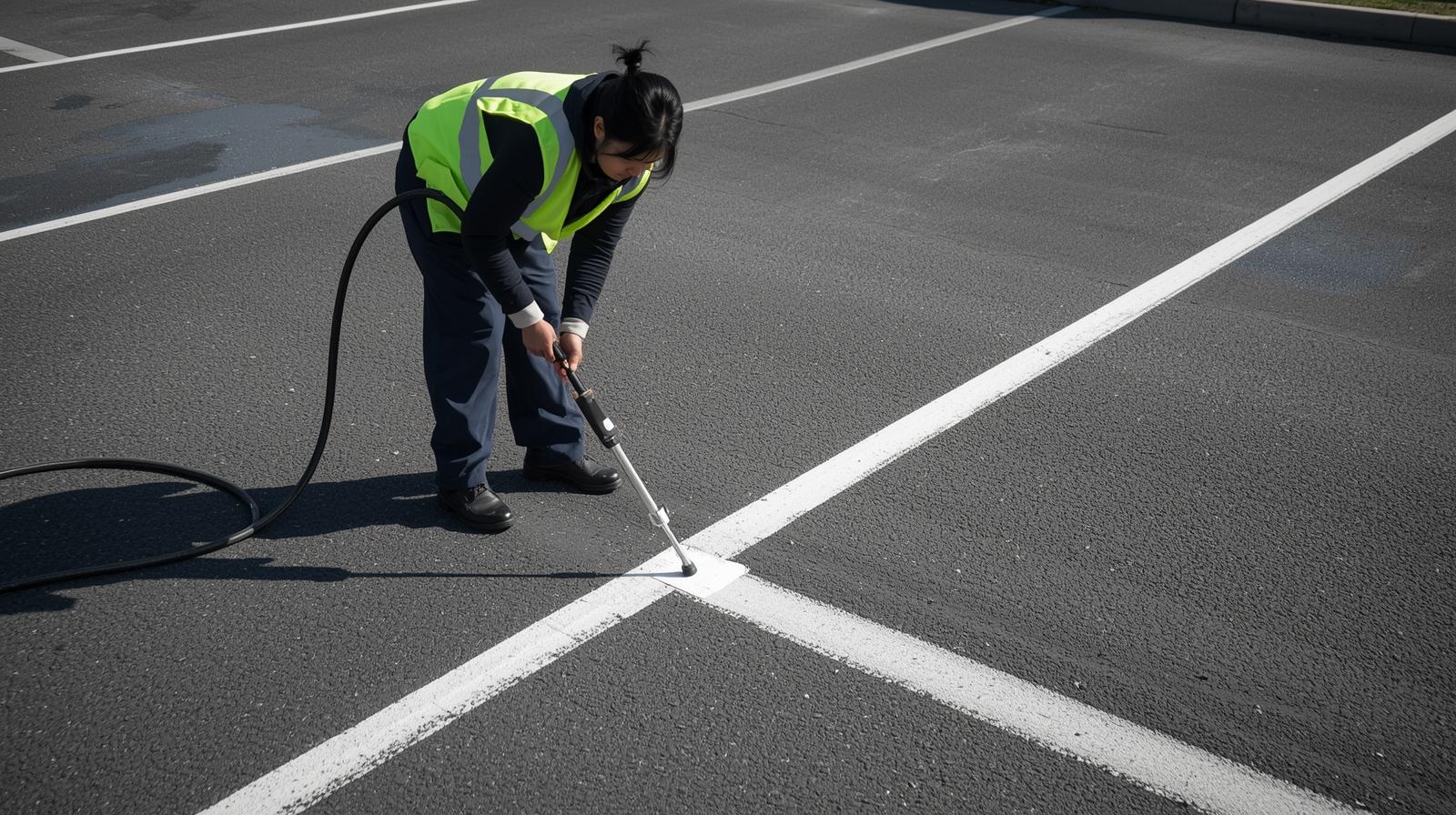
In Canada, line markings for recreation and outdoor spaces are essential for safety, organization, and defining sports courts and fields. Given the harsh climate, durability is a top priority. Acrylic paints are the standard for high-quality tennis and basketball courts, while durable, reflective thermoplastic is commonly used for parking lots and crosswalks to withstand snow plows, freeze-thaw cycles, and heavy use. All markings must adhere to regulations, including the strict standards for accessible blue handicapped parking spaces as outlined in the Canadian accessibility guidelines.
1: Recreation & Outdoor Markings
Service Like:
A. Court Sports
B. Field Sports
C. General Park & Trail Markings
D. Aquatic Facilities
A. Court Sports
Tennis & Pickleball: Often white or yellow. Define singles/doubles lines, service boxes, and the non-volley zone (kitchen) for pickleball. A tennis court requires ~18 gallons of paint for a full resurface.
Basketball: Typically white. Mark the boundary, key (or paint), free-throw line, and three-point arc. Multi-purpose courts often feature overlapping lines for different sports (e.g., basketball and pickleball).
Volleyball: White lines for the boundary and attack line. For casual play, these are often temporary on a larger court surface.
Futsal: Similar to soccer but with boundary lines and a clearly marked penalty area.
B. Field Sports
Soccer (Football): White lines for the touchlines, goal lines, center circle, penalty area, and goal box.
Football (American): White lines every 5 yards, hash marks, and end zones. Often done with temporary paint for multi-use fields.
Baseball/Softball: White (or orange for softball) for the batter’s box, baselines, and coach’s boxes. The pitcher’s rubber and bases are also part of the marking system.
Lacrosse/Field Hockey: White lines for boundaries, crease, and midfield.
C. General Park & Trail Markings
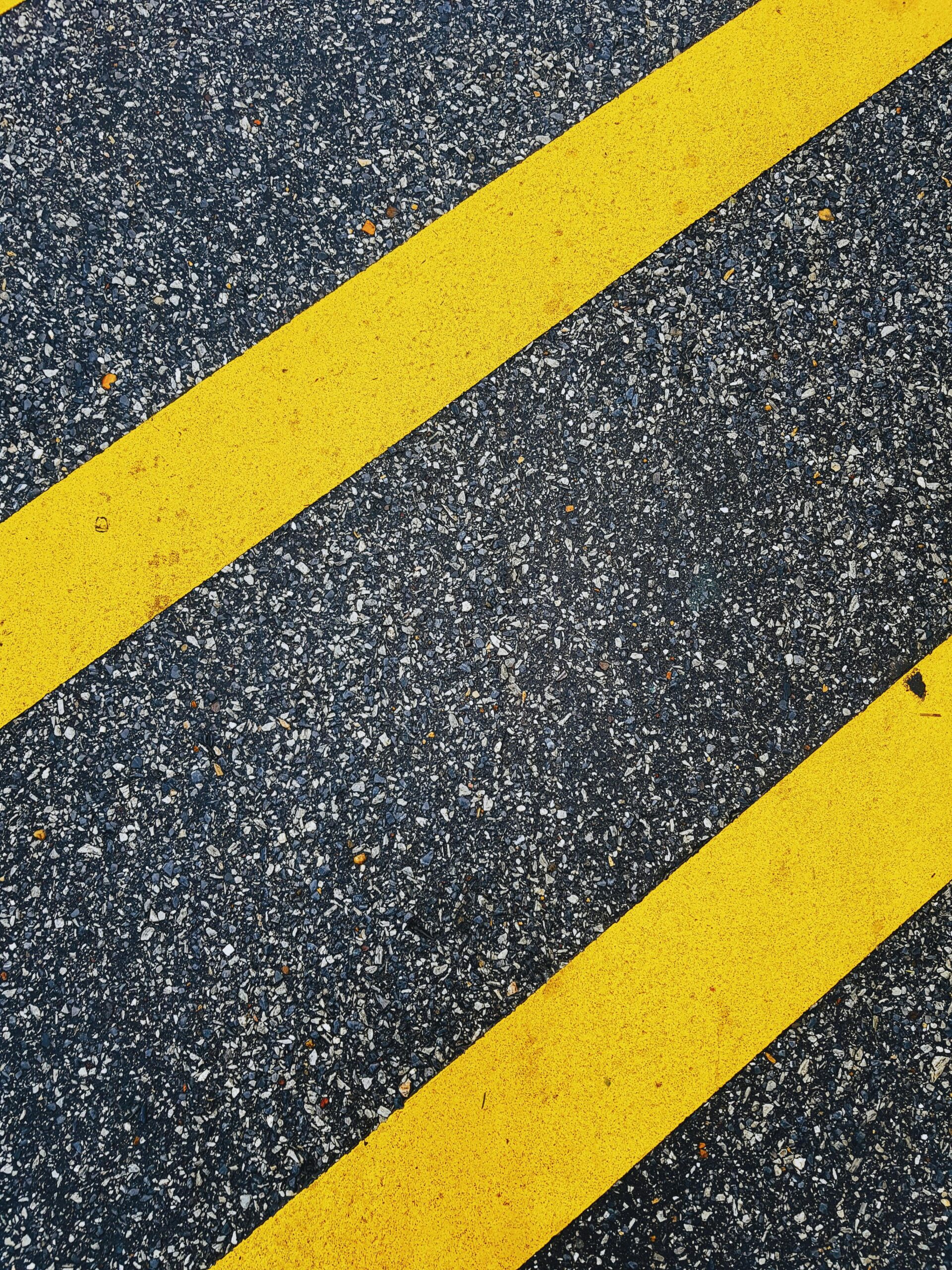
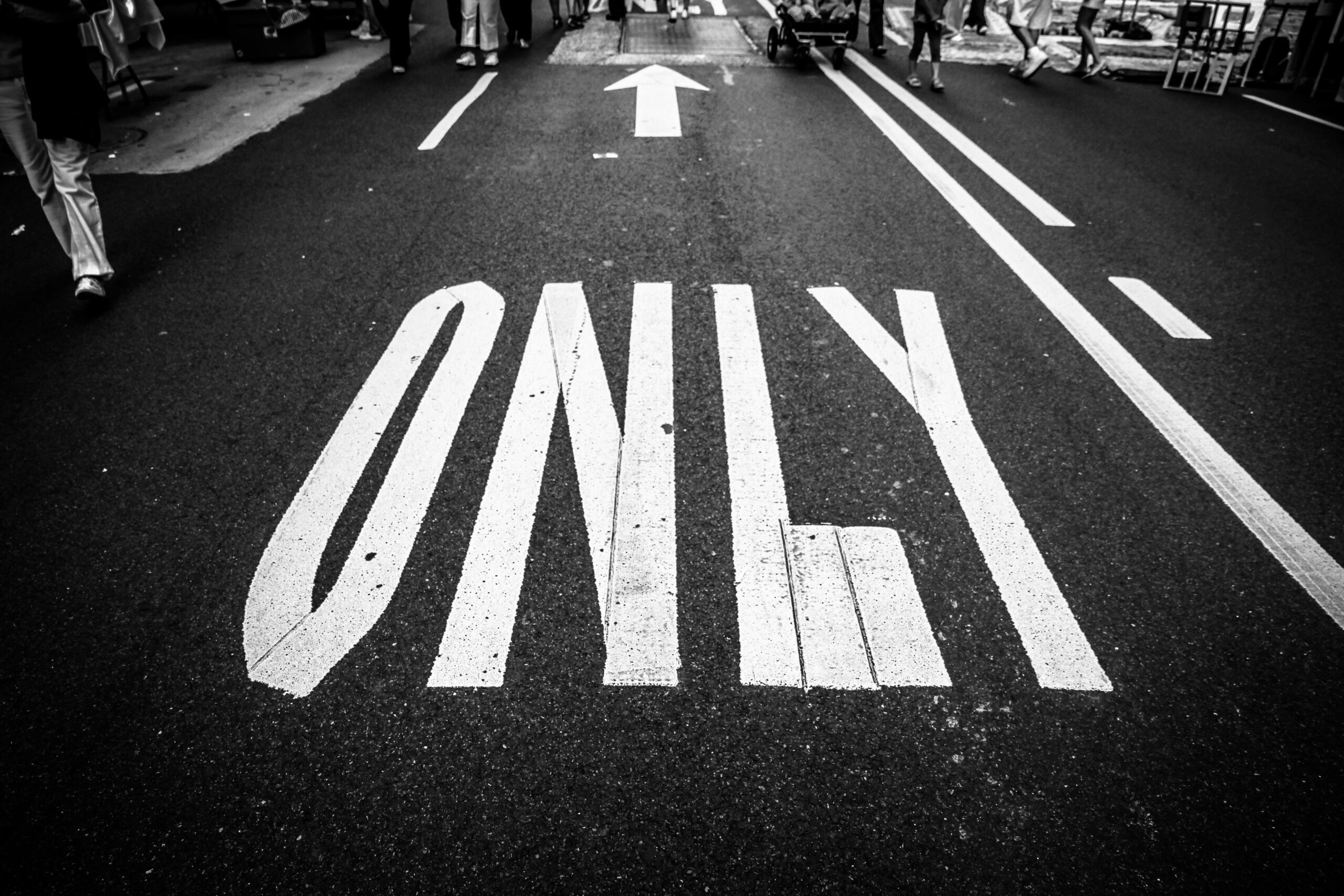
Parking Lots: White for standard spaces, blue for handicapped spaces (with the international access symbol), yellow for loading/no-parking zones, and arrows for direction of traffic flow.
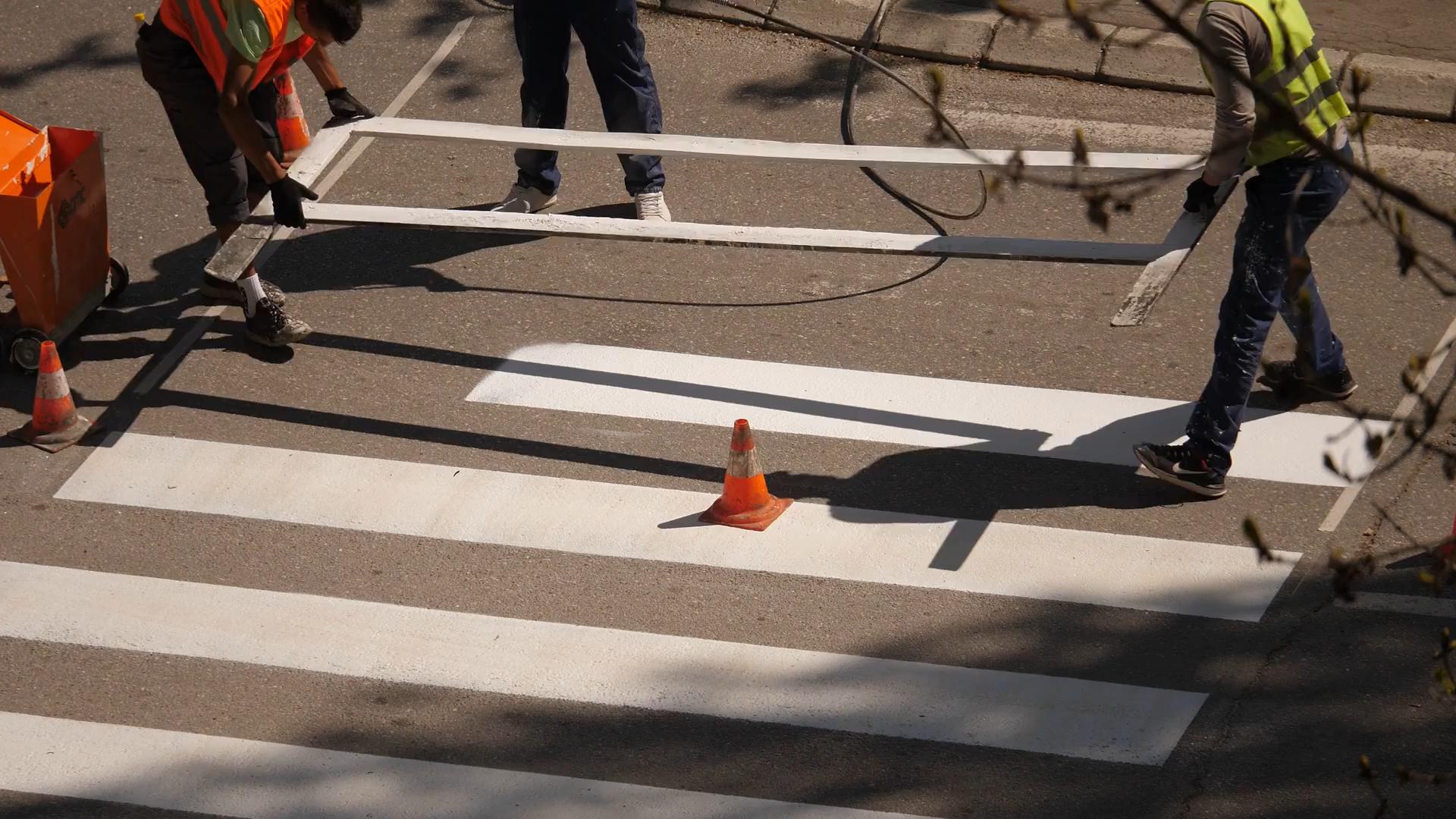
Pedestrian Crosswalks: Highly visible white striped patterns (zebra crossing) or continental strips.
Pathways & Trails:
Centerlines: Solid or dashed yellow lines on paved paths to separate directions of travel.
Edge Lines: Solid white lines to define the path’s boundary.
Bike Lane Symbols: “Sharrows” (shared lane markings) or dedicated bike lane symbols (bicycle stencil).
Playgrounds: Often use colorful thermoplastic to mark out play areas, hopscotch, four-square courts, and other games to encourage activity.
D. Aquatic Facilities
Pool Decks: Marking lanes for competitive swimming (black lines are common), safety lines around the pool edge, and “No Diving” warnings in shallow areas.
Water Slides & Features: Marking queuing lines and safety zones on the deck.